

This app gave away up to $300,000 in a single game — two years later it was gone
2.38 million people on the same question at the same second. A host every night, a prize pot every night — and a sponsor only on some of them.
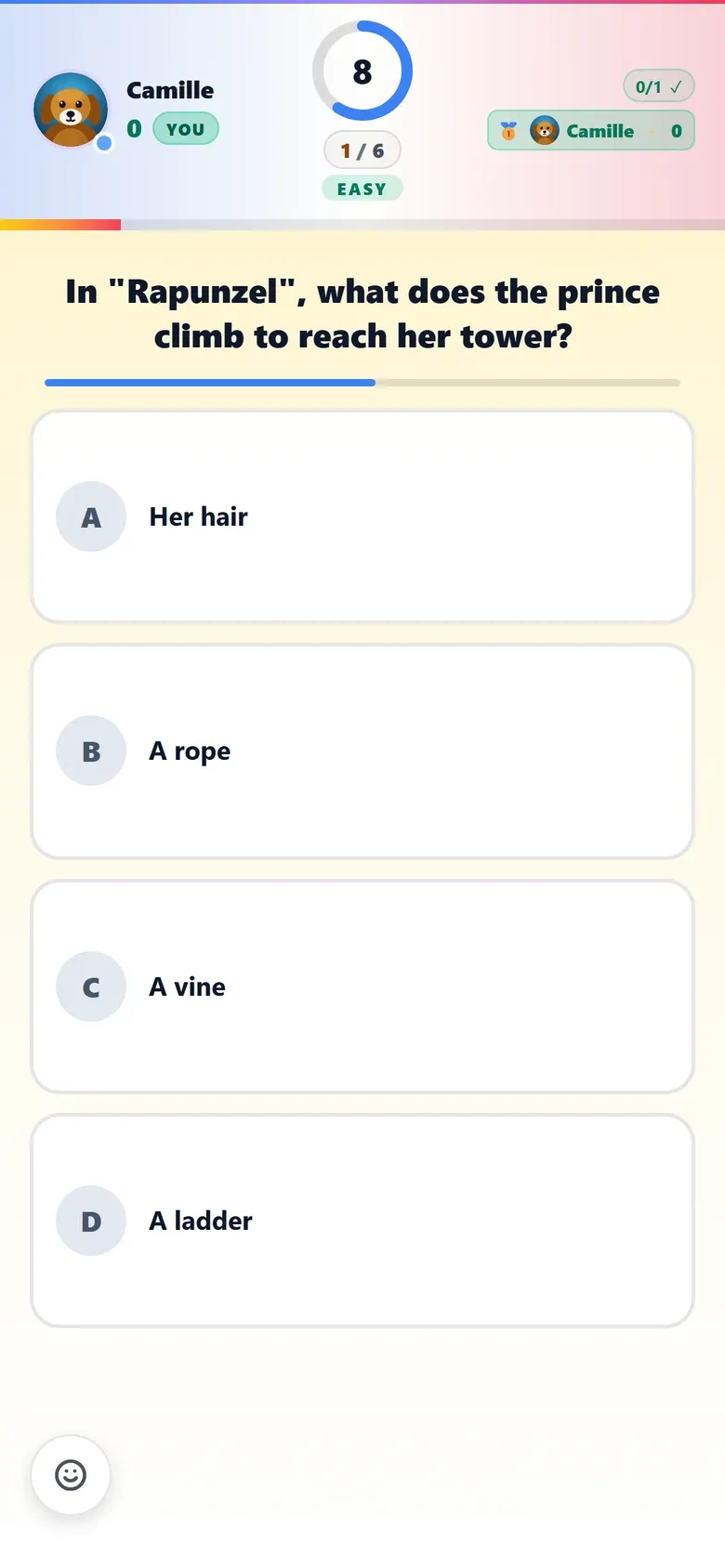
In late 2017 a ritual appeared in the United States. At 9pm, millions of people opened the same app at the same time. A live host asked twelve questions. One wrong answer and you were out. Whoever survived split the pot.
HQ Trivia peaked at 2.38 million concurrent players in March 2018. Across its life it gave away roughly $6 million in prizes, with jackpots climbing to $300,000.
On 14 February 2020 it shut down. Twenty-five staff laid off, company moving to dissolution.
The idea was genuinely good
Worth saying before the fall, or none of what follows makes sense. HQ Trivia solved something nobody had solved on mobile: getting millions of strangers to experience the same thing in the same second.
The appointment was the product. Not the questions, not the interface — the fact that at 9pm your colleague and your sister were on the same question you were, watching the same clock run down. Television has done this for seventy years. Mobile had never done it at that scale.
The economics never closed
An appointment costs money. A live show every night means a host, a control room, an infrastructure that can absorb two million connections in a minute — and a prize pot, every night, whether or not a sponsor turned up to pay for it.
Revenue was supposed to come from advertising and sponsorship. That is a television network’s model. But a network amortises a studio across hundreds of broadcast hours and sells a year ahead; HQ was selling evenings. On any night the sponsor was missing, the money still went out.
And a live audience is a peak audience: it arrives at the exact minute or not at all. Two million people for ten minutes do not sell like two million people across a day.
Fatigue arrived quickly
A live quiz that eliminates you on your first mistake produces a strange experience: most players end up watching rather than playing. Knocked out on question three, you have nine questions left to sit through as a spectator.
The average prize was tiny, too. When 20,000 people split $5,000, each takes twenty-five cents. The promise is spectacular; the payout is loose change.
A fixed appointment is powerful for exactly as long as the ritual holds. The night you skip it, nothing pulls you back the next day: the format keeps nothing for you — no progression, no rank to defend, no unfinished game.
What happened, in order
In December 2018, co-founder and chief executive Colin Kroll died of a reported drug overdose. He had built Vine with Rus Yusupov before HQ.
The company carried on for a year. In February 2020 its lead investors were no longer willing to fund it. On 14 February, HQ Trivia stopped and the company moved to dissolution.
There have been revival attempts since. None has come close to the 2018 audience — and the reason may simply be that you cannot restart a ritual. An appointment is lost once.
What it leaves
Two things are true at the same time.
First: simultaneous live play at that scale worked. It was not a mirage, the numbers are on the record, and nobody has repeated it on mobile since.
Second: giving away money is not a business model, it is a marketing spend — and a marketing spend that never stops is a company that depends on the next funding round.
The trivia games that survived those years paid nobody to play. They had no appointment, no host, and a reason to come back that cost nothing to provide: that is the route Kahoot and Trivia Crack took.
Sources
- HQ Trivia Live Game App Shuts Down, Lays Off Staff — Variety · read 2026-08-30
- After Investors Pull Plug, HQ Trivia Ceases Operations — Tubefilter · read 2026-08-30
- HQ Trivia imploded fast but its legacy lives on — CNN Business · read 2026-08-30
- The Company Behind HQ Trivia Is Shutting Down — Forbes · read 2026-08-30